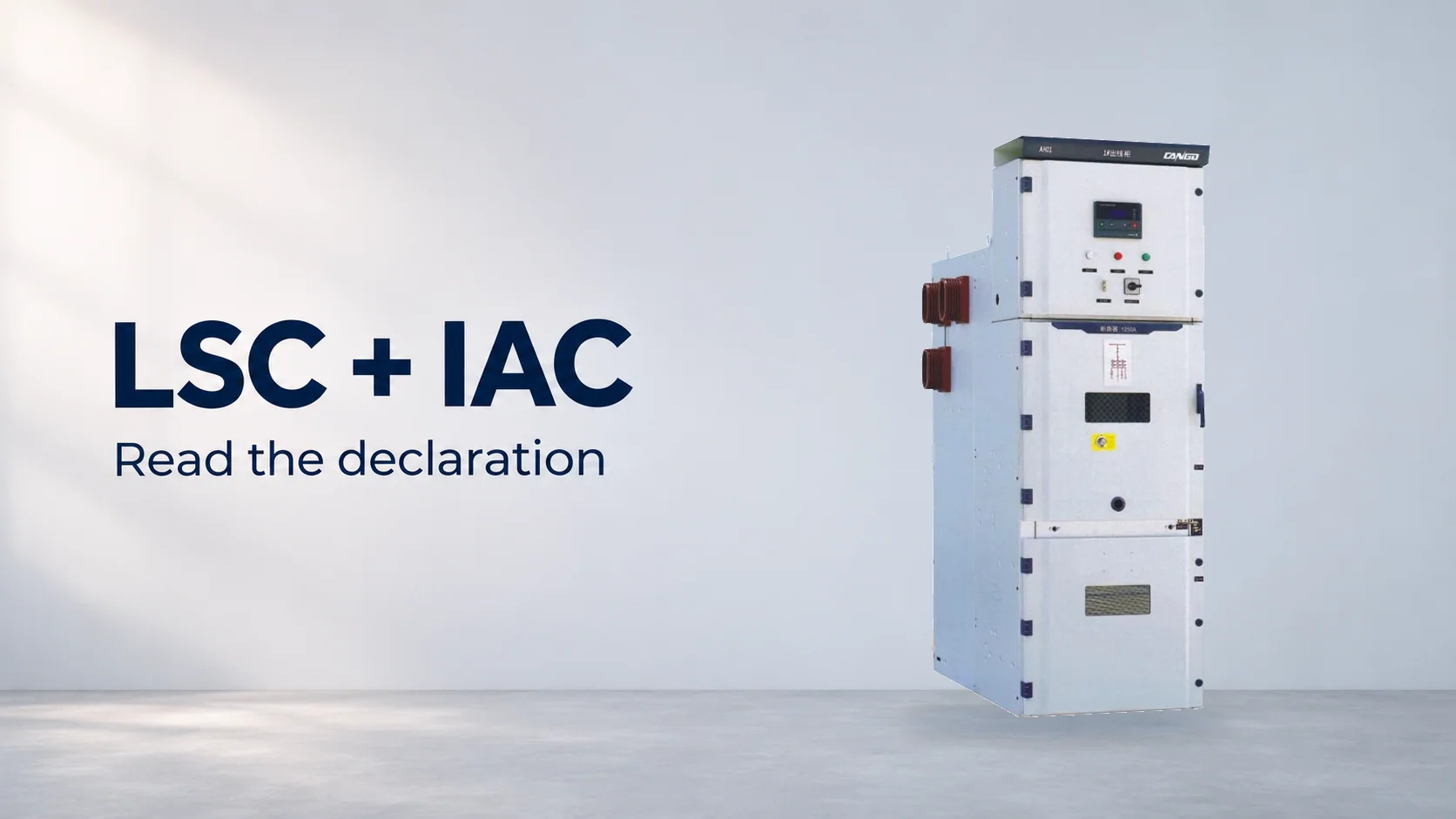
LSC and IAC in medium voltage switchgear answer different questions: what can remain energized during compartment access, and what internal-arc protection has been demonstrated under stated conditions.
Format example only, not a CANGO classification: LSC2B-PM | IAC AFLR 25 kA 1 s.
| Part of the format example | What it describes |
|---|---|
| LSC2B | Continuity of service during defined compartment access |
| PM | Metallic partition and shutter classification |
| IAC AFLR | Accessibility type and classified enclosure sides |
| The kA and s entries | Internal-arc test current and duration |
These are among the most information-dense, easily misread lines on a quotation. Read each declaration separately, then ask whether its evidence applies to the offered configuration.
LSC decoded: what stays live when you open a panel
LSC means loss of service continuity. Its practical question is: when an accessible high-voltage compartment is opened, which other compartments or functional units may remain energized?
Start with the proposed maintenance task, not the highest-looking suffix. Identify the compartment being accessed, the circuit made safe for that task and the parts expected to remain in service. Without that access state, a category written on a datasheet is difficult to translate into an outage plan.
The classification belongs to the IEC 62271-200 framework for metal-enclosed assemblies. The IEC publication page confirms the scope: rated voltages above 1 kV through 52 kV. The terminology concerns the assembly and its access arrangements; a removable breaker by itself does not establish the category.
ABB’s electrical-safety application paper explains LSC by the continuity retained when compartments are accessed. Applied to a separately accessible breaker compartment, the buyer’s comparison is:
| Category | Busbar during breaker-compartment access | Adjacent functional units | Same unit’s cable compartment |
|---|---|---|---|
| LSC1 | Continued energization is not assured; establish the required isolation | At least another functional unit may have to be de-energized | Do not assume it can remain energized; follow the declared arrangement |
| LSC2A | At least a busbar may remain energized | May remain in service | Cables must be de-energized and earthed for the described breaker access |
| LSC2B | At least a busbar may remain energized | May remain in service | May remain energized while the separate breaker compartment is accessed |
The contrast between LSC2A and LSC2B is the cable-side condition. It is not a difference in whether the technician may touch live breaker parts. The compartment being worked on must be made safe under the equipment instructions and site procedure.
LSC1 needs careful wording. It does not promise the continuity associated with LSC2. That can require a broader outage, but the category does not universally mean every circuit in an entire installation must be shut down. Ask which additional functional units lose service in the actual arrangement.
What if the quotation says only LSC2?
Ask for clarification before assuming either suffix. LSC2 is a defined category, and LSC2A and LSC2B address additional accessible-compartment arrangements. A bare LSC2 entry can therefore be valid; it may also be insufficient to answer your intended breaker-access question.
Request the accessible-compartment description and the applicable category for each offered functional-unit arrangement. If the requirement is specifically to maintain energized cable connections during breaker access, obtain an explicit response to that condition. Do not silently expand LSC2 into LSC2B.
The metal-clad versus metal-enclosed explanation provides the structural terminology; it does not replace the supplier’s access-state declaration.
The third token: partition class PM or PI
Partition class describes the barrier between an opened accessible compartment and live high-voltage parts. LSC describes the continuity available during access. They can appear together on a quotation, but neither answers the other’s question.
PM identifies continuous metallic partitions or shutters intended to be earthed. PI means that at least one relevant partition or shutter is nonmetallic. PI does not necessarily mean that every partition in the assembly is insulating. These definitions appear in the authorized IEC preview; ABB’s application paper also distinguishes metallic and insulating barriers.
For the buyer, the useful question is which barriers separate the accessed compartment from parts remaining energized. Ask for the applicable partition class and the supporting construction description.
Do not infer PM simply because the exterior enclosure is steel. The outer cabinet material does not describe every partition or shutter inside it. Likewise, neither PM nor PI is an internal-arc declaration. Keep all these entries visible in the offer so an answer about partition material cannot be mistaken for an answer about fault-test coverage.
IAC decoded: four pieces of information, not an adjective
IAC means internal arc classification. It identifies assessed behavior under a defined internal-arc test, including the accessible sides and stated duty. It does not mean an internal arc cannot occur or that the equipment remains usable afterward.
For procurement, read the information following IAC as accessibility, classified sides, current and duration. ABB’s application paper explains this marking structure. The requested PowerCube PB/N catalogue also shows continuity, partition and internal-arc entries together. That is ABB product documentation, not evidence of any CANGO classification.
Accessibility: A or B
A means accessibility restricted to authorized personnel. B means unrestricted accessibility, including the public. The letter describes the accessibility condition used for classification, rather than a general ranking of cabinet quality.
Ask who can approach the installed assembly and whether that matches the declared accessibility type. Calling a room an electrical room does not resolve access arrangements for every side. Equally, a supplier should not substitute a general claim about personnel safety for the actual accessibility designation.
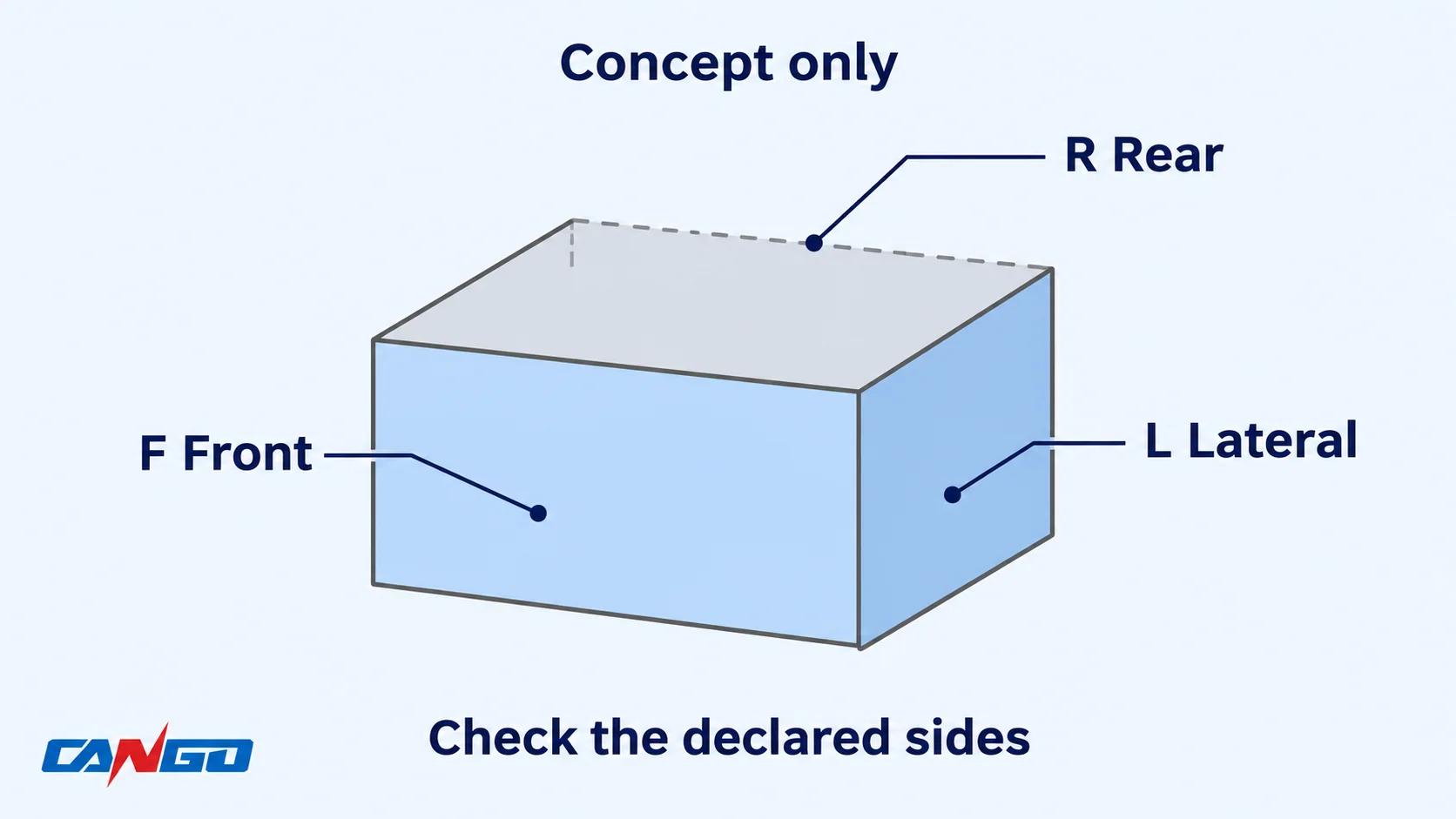
Classified sides: F, L and R
F identifies the front, L the lateral sides and R the rear. AFL therefore does not declare the same side coverage as AFLR. The missing rear letter matters if people can enter a rear passage while the switchgear is in service.
Obtain the manufacturer’s identification of the front and compare the side declaration with the installation drawing. Do not identify front and rear from a convenient photograph alone. A photograph can show a cabinet’s appearance; it cannot establish which sides met internal-arc test criteria.
Arc current: read it as an IAC entry
The current entry states the internal-arc test duty. Have the project engineer check it against the prospective fault duty relevant to the installation. A declared classification below the required site duty does not establish protection for that application.
Keep this distinct from other current ratings elsewhere on the datasheet. A fault-current number copied from an unrelated row cannot complete a missing internal-arc declaration. The medium-voltage switchgear selection guide owns the broader ratings discussion; this page concerns how the classification is stated.
Duration: keep it beside the current
The time entry is part of the declared duty, not optional fine print. It must be reviewed against the protection system’s fault-clearing time. Matching a current while leaving the duration unchecked leaves the application assessment incomplete.
Ask for the current and time from the same classification and supporting evidence. Do not combine the current from a family brochure with a duration from a different configuration. The evidence must describe the offered assembly.
IAC applies to the tested configuration: a different installation or pressure-relief arrangement can invalidate the assumed protection. Confirm correspondence with the test conditions rather than treating the letters as a transferable cabinet label.
The three misreads
Misread: buying AFL as though it were AFLR
What the buyer assumes: the offer says internal-arc classified, so personnel have the same assessed protection wherever they stand around the lineup.
What it actually means: the side letters delimit the declaration. Without R, do not claim rear-side coverage. A wall-mounted arrangement may have a different access condition from an installation with a rear maintenance passage. Putting an AFL cabinet near a wall does not, by itself, prove that the installation matches its tested conditions.
What to ask: “Identify the classified sides and confirm how the offered arrangement addresses the actual rear access.” Have the answer checked against the installation drawing. If rear access is needed, resolve the classification before accepting the offer; a promise to restrict access later is not an R classification.
This matters during bid comparison. A cheaper offer with a different side declaration has not necessarily met the same requirement. Record the difference explicitly so the commercial comparison does not hide an unresolved technical exception.
Misread: checking kA but ignoring duration and site duty
What the buyer assumes: an impressive arc-current figure means the classification is sufficient for the site.
What it actually means: current and duration form a stated test duty. The project assessment must compare both with the relevant fault level and clearing conditions. The same letters on different offers do not make their duty equivalent, and a current entry alone says nothing about whether the stated time is suitable.
What to ask: “Provide the complete internal-arc declaration, and identify the evidence for its current and duration. Confirm that the offered duty meets the project requirement.” The electrical engineer supplies or verifies the site comparison; procurement should not invent a fault value or protection time to fill the blank.
Keep the response in the technical clarification record. If the supplier revises the declaration during bidding, update the comparison from the revised offer instead of retaining the most favorable fragments of earlier documents.
Misread: treating a missing IAC line as default arc-proof performance
What the buyer assumes: the datasheet says arc proof or names IEC 62271-200, so an IAC classification is included without being written down.
What it actually means: absent an explicit declaration and applicable evidence, IAC is not established for the offered configuration. Missing information does not prove the design has never been tested; it does mean the buyer cannot credit an unverified classification. Marketing descriptions cannot fill in accessibility, sides, current and time.
What to ask: “Replace the general arc-proof wording with the complete classification and identify its supporting type-test evidence. If no classification is offered, state that exception explicitly.” Do not accept an unrelated certificate or a report for an unidentified assembly as the answer.
The KEMA Labs publication distinguishes internal-arc tests from requirements automatically imposed on every item of equipment. The standard reference alone should therefore never be read as a hidden IAC promise. Make the required classification an explicit project condition.
Writing it into the RFQ: what to ask for
Keep the commercial request concise, but make the classification fields answerable. Use the switchgear quotation checklist for the wider inquiry; add the following classification-specific requests rather than repeating the whole selection exercise.
- LSC: state the required access scenario and request the offered category. Where breaker access and cable continuity are relevant, require an explicit A/B response or an explanation of why another category applies.
- Partition class: request PM or PI and identify the relevant barriers or shutters in the offered arrangement.
- IAC accessibility: require the actual designation, not a general statement about a restricted room.
- IAC sides: require the declared front, lateral and rear coverage as applicable to the project.
- IAC duty: keep arc current and duration together and require confirmation against the project duty.
- Evidence: request the relevant type-test report identification and entries, the tested configuration and the explanation of applicability to the offered equipment.
A useful supplier clarification reads: “State the proposed classification without abbreviation, identify any deviation from the required access conditions or duty, and reference the corresponding report scope.” This is a request for evidence, not an assumption that the supplier possesses a particular report.
A verified Eng-Tips specification discussion illustrates the underlying problem: an engineer questioned why a project specification treated continuity categories differently for different feeder arrangements. That is a reason to state the intended task and access condition; another project’s exception is not a universal purchasing rule.
Apply the same request to the actual CANGO offer
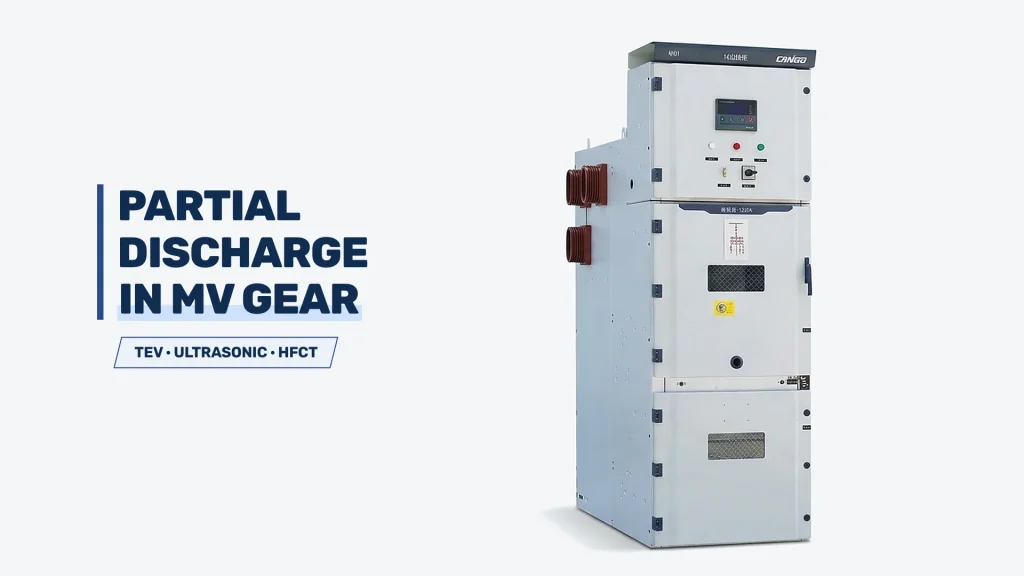
When requesting a quotation for KYN28-12 switchgear or KYN61-40.5 switchgear, ask for these declarations in the project documents. The public product pages do not publish LSC or IAC classifications.
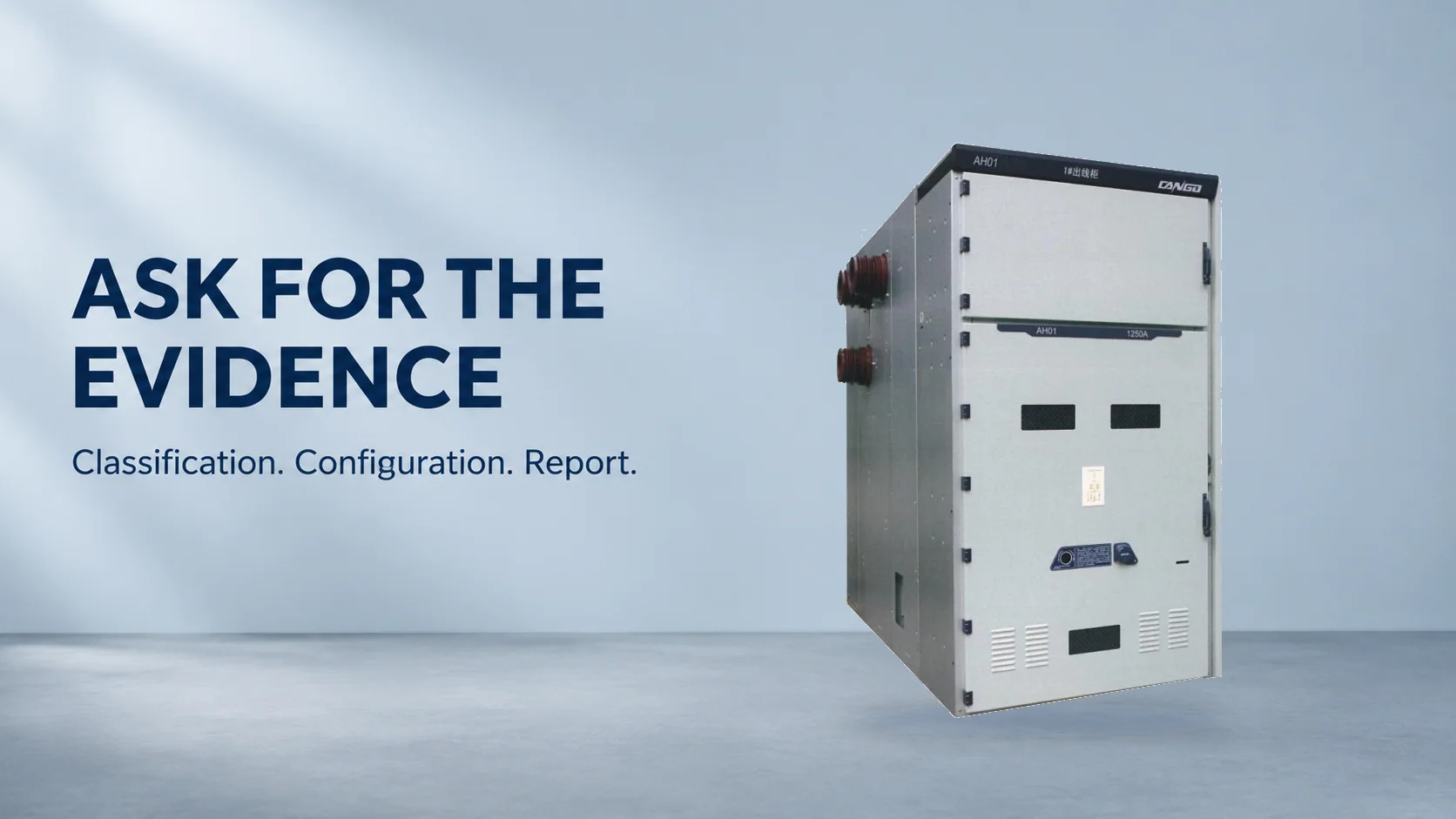
For CANGO equipment, the classification must be established by the specific project quotation and applicable type-test documentation. Request each item explicitly. Neither the model name nor the exterior photograph establishes a class or proves that a particular test has been performed.
The KYN28 cabinet guide and KYN61 cabinet guide describe the equipment context; use this decoder when reviewing the classification lines on their quotations.
Close the clarification only when the required access state, offered declaration and evidence agree. If a report covers a different arrangement, ask for its applicability explanation. If the offer contains a deviation, retain it as a deviation for the responsible engineer’s decision rather than silently treating it as compliance.
FAQ
Is IAC mandatory under IEC 62271-200?
IAC is not an automatic classification attached to every assembly that references IEC 62271-200. Internal-arc classification depends on the declared scope and relevant testing; project specifications or applicable installation requirements may require it. If your project requires IAC, write that requirement explicitly and obtain the complete declaration and supporting evidence. A missing entry is not default compliance, and the supplier cannot replace it with an unqualified arc-proof description.
What is the difference between LSC2A and LSC2B?
For the breaker-compartment access situation described here, the decisive difference is whether the same unit’s cable connections can remain energized. LSC2A requires those cables to be de-energized and earthed; LSC2B permits them to remain energized while the separate breaker compartment is accessed. The busbar and adjacent units can remain in service under the specified conditions in both cases. Neither category permits work inside a live cable compartment.
What does IAC AFLR mean?
A identifies access restricted to authorized personnel. F, L and R identify the front, lateral and rear sides covered by the classification. The accompanying arc-current and duration entries complete the declared duty. Read all of them together, and confirm that the evidence applies to the offered assembly and installation. The letters do not establish that internal arcs cannot occur, do not classify an open maintenance state and do not replace the site operating procedure.
The datasheet has no IAC line. Is the panel still arc-proof?
You cannot credit an IAC classification from that datasheet alone. The missing entry may reflect an unclassified offer or information that has not been supplied; ask the supplier to resolve it. Request the complete accessibility, side, current and duration declaration and the applicable type-test evidence. If none is offered, treat IAC as unestablished for the bid. A general arc-proof phrase or an unrelated current rating cannot establish the missing classification.
Is the highest LSC always the right choice?
No. Choose the category from the maintenance task and required continuity. LSC2B is relevant when cable connections must remain energized during access to a separate breaker compartment; it is not permission to maintain live cable connections. Achieving that access arrangement may add compartmentalization and cost, so compare the actual offers rather than assuming a universal price ranking. Ask which parts must be isolated for your intended task, then require the category and arrangement that satisfy it.
Sources
- IEC, IEC 62271-200:2021 publication page: official identity and scope. Authorized previews were consulted; no access to unseen current clauses is claimed.
- IEC, IEC 62271-200:2011 authorized preview: visible PM/PI definitions. This earlier edition is identified as such.
- CESI / KEMA Labs, Testingly, October 2021: applicability of internal-arc testing.
- Eng-Tips, MV Switchgear (IEC) Specification: original practitioner question used only as evidence of specification-reading difficulty.
- CANGO product information: KYN28-12 and KYN61-40.5 product pages, linked in the RFQ section. Product identity and exterior photos only; no LSC/IAC classification is inferred.